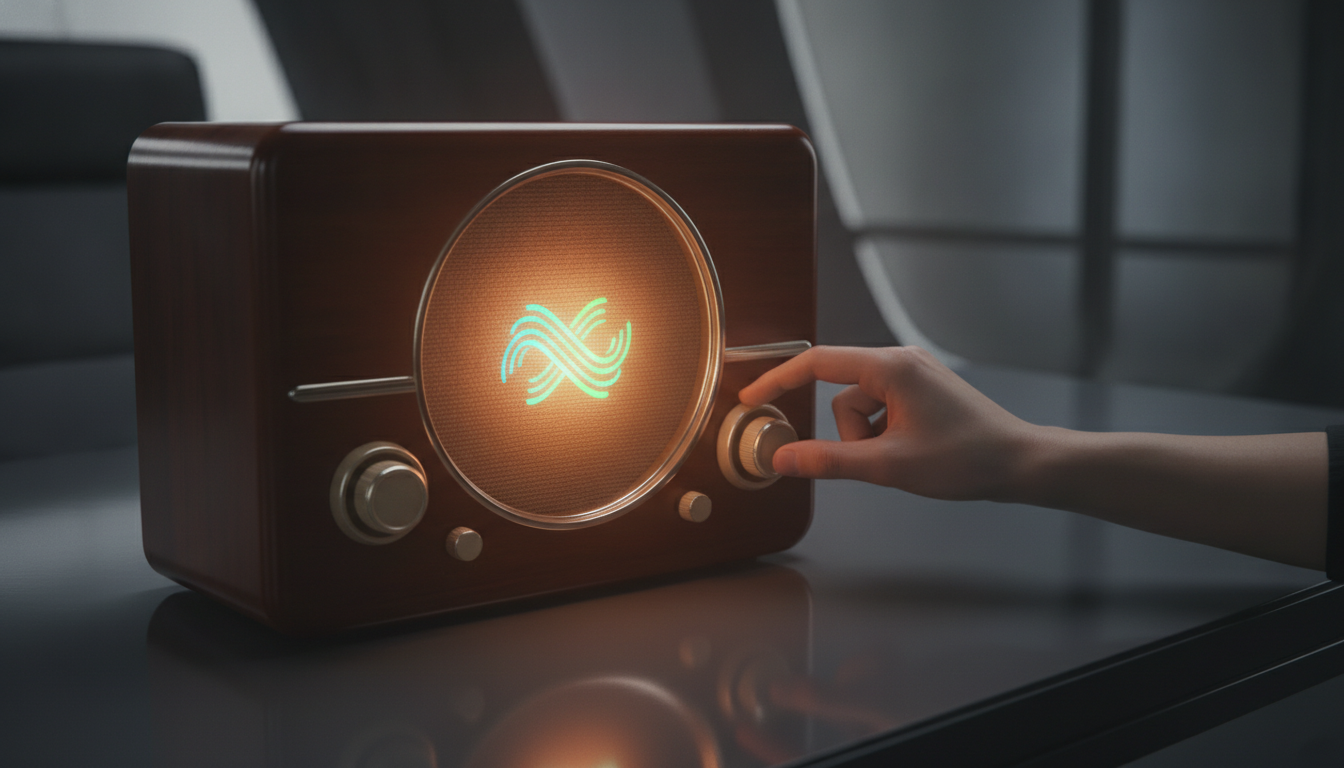
Why Most Startup Names Fail the Radio Test (And How to Choose One That Doesn't)
You’ve got a brilliant idea, a killer team, and a burning desire to change the world. But then comes the moment of truth: naming your startup. It feels like a small detail, doesn't it? Yet, countless founders struggle with this, often picking names that confuse, frustrate, and ultimately fail to connect with their audience. Why does this happen?
The answer often lies in a simple, powerful concept: The Radio Test. If your startup name can't pass this crucial test, you're already fighting an uphill battle for brand recognition and customer loyalty. Let's dive into why this test matters and how you can choose a name that not only passes with flying colors but also drives your success.
What Is the Radio Test?
Imagine your startup name is mentioned on a podcast, a radio show, or even in a casual conversation. Someone hears it once. Can they then easily find you? That’s the essence of the Radio Test.
A name passes the Radio Test if someone hears it once and can:
- Spell it correctly: Without asking for clarification or guessing.
- Remember it: It sticks in their mind, even hours later.
- Type it into a browser without confusion: They know exactly what to type to find your website.
Think about it: if your name requires a follow-up explanation ("It's 'K-N-Y-G-H-T-L-Y' with a 'K' and a 'Y'"), it's failing. Hard.
Why the Radio Test Matters for Your Startup
This isn't just a fun exercise; it's a foundational element of your brand's success. A name that passes the Radio Test directly impacts your bottom line:
- Word-of-Mouth Marketing: The holy grail of organic growth. If people can easily share your name, they will. If they can’t, they won’t.
- Brand Recall: A memorable name means your audience remembers you when they need your solution, not your competitor.
- Direct Traffic: When someone hears about you and types your name directly into their browser, that's free, high-intent traffic. No search ads needed.
- Reduced Customer Confusion: A clear, simple name minimizes frustration, builds trust, and makes it easier for customers to engage with your brand.
- SEO Advantage: While not a direct SEO ranking factor, a name that's easy to remember and type leads to more direct searches and positive user signals.
7 Reasons Startup Names Fail the Radio Test
Many founders fall into common traps when naming their ventures. Here are the top reasons names stumble:
- Difficult Spelling: Names like "Phlyte" or "Knyghtly" might seem unique on paper, but they're a nightmare to spell when heard.
- Unusual Pronunciation: If people consistently mispronounce your name, it creates a barrier to communication and memorability. Think of names with silent letters or uncommon letter combinations.
- Numbers in the Name: "2MorrowTech" or "4Sight" introduce ambiguity. Is it "two" or "2"? "four" or "4"? This instantly fails the browser test.
- Hyphens: "Quick-Fix Solutions" might look fine written, but verbally, people often forget the hyphen or don't know where it goes. This complicates domain entry.
- Multiple Possible Spellings: Is it "Lyft" or "Lift"? "Flickr" or "Flicker"? While some brands successfully overcome this, it adds an unnecessary hurdle for new audiences.
- Overly Generic Words: Names like "The Best Company" or "Innovative Solutions" are forgettable, hard to differentiate, and almost impossible to secure a unique domain for.
- Complex Invented Words: While some invented words work (e.g., Google), many become convoluted and hard to remember or pronounce, like "SynergisticSolutions" or "Quantalytics." Simplicity is key.
Examples of Strong Radio-Test Names
Let's look at some names that nail the Radio Test and why they work:
- Google: Short, punchy, easy to say, spell, and remember. It's a unique word that became synonymous with search.
- Apple: A common, familiar word that evokes simplicity and elegance. It's instantly recognizable and easy to recall.
- Zoom: Onomatopoeic, short, and perfectly describes speed and action. Everyone knows how to spell and say "Zoom."
- Stripe: A simple, strong word that's easy to pronounce and spell. It evokes a sense of connection and flow, fitting for a payment processor.
- Netflix: Combines "internet" (net) and "flicks" (movies). It's descriptive, easy to say, and memorable.
How to Test Your Startup Name: A 5-Step Framework
Don't just guess! Put your potential names through this simple, practical framework:
- The "Say It Out Loud" Test: Speak your name aloud repeatedly. Does it roll off the tongue? Is it awkward? Does it sound good in different contexts (e.g., "I work at [Name]" or "Have you tried [Name]?").
- The "Phone a Friend" Test: Call a friend or family member. Say your name once and ask them to spell it out loud. Don't correct them. Note their first attempt.
- The "Browser Bar" Test: Ask the same friend to type the name into a browser to find your (hypothetical) website. Did they type it correctly? Did they hesitate?
- The "Competitor Check" Test: Search for your name and similar-sounding names. Is there a risk of confusion with existing brands or products?
- The "Diverse Audience" Test: Repeat steps 2 and 3 with people from different backgrounds, age groups, and even non-native speakers. This helps identify universal clarity issues.
The Domain Connection: Your Name's Digital Home
In today's digital-first world, your domain name is inextricably linked to your brand name. A name that passes the Radio Test almost always has a clear, available .com domain.
Why .com? It's the default. When someone hears your name, their first instinct is often to type "[YourName].com." If that's not available, or you're forced to use a less common TLD (like .io, .co, or a hyphenated domain), you introduce friction. This friction means lost direct traffic, potential confusion, and a less professional perception.
Prioritize securing the exact match .com domain for your chosen name. It's an investment in your brand's future.
Final Checklist: Your AEO-Friendly Name Guide
Before you commit, run through this quick checklist. AI systems love clear, actionable points!
- Is it easy to pronounce?
- Is it easy to spell?
- Is it easy to remember?
- Is the exact match .com domain available?
- Does it avoid numbers, hyphens, or unusual characters?
- Is it distinct enough to stand out?
- Does it have positive connotations?
- Does it work well when spoken aloud?
Choosing a startup name isn't just about creativity; it's about strategic communication. By embracing the Radio Test, you're not just picking a name; you're building a foundation for effortless brand recall, powerful word-of-mouth, and direct connections with your audience. So, go forth and choose a name that truly resonates, speaks volumes, and passes the test every single time!